Dental Crowns – Temple, TX
Beautiful, Long-Lasting Dental Restorations
As strong as your teeth may be, they'll still wear down over time. Such erosion puts them at risk of chips, cracks, cavities, and similar damage. The good news is that you can fight back; dental crowns in Temple would repair your weak and injured teeth! All you’d need to do is see Drs. Fossum and Grosskopf, who’d equip you with the unique dental caps. Learn more by reading the details below, or book a consultation in the coming days.
Why Choose Richard Fossum, DDS for Dental Crowns?
- Many Different Materials for Crowns
- Experienced Dentists & Team
- Patient is Always Number One
What is a Dental Crown?
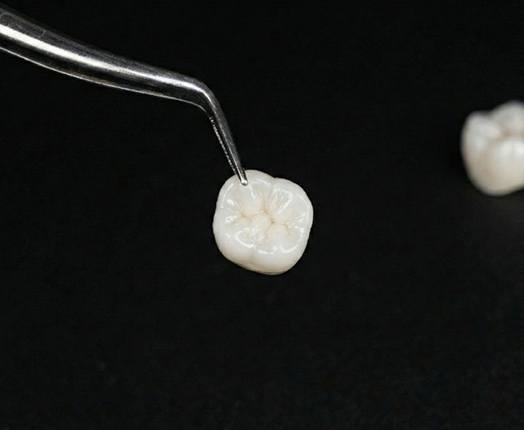
At its core, a dental crown is a small cap that fits over a weak or damaged tooth. Dentists will place this cap to prevent further harm to the treated area, thus reducing the risk of oral issues. The placed crown can also “blend in” with the patient’s smile when made of ceramic or porcelain. (Other crown materials we use include metal and porcelain fused to metal (PFM).
Given the facts above, the best dental crown candidates have one (or more) of the following traits:
- Highly Fractured or Decayed Teeth
- Large & Failing Dental Fillings
- A Root-Canal-Treated Tooth
- An Existing-yet-Damaged Dental Crown
- Bite Problems That Need Correction
The Dental Crown Process
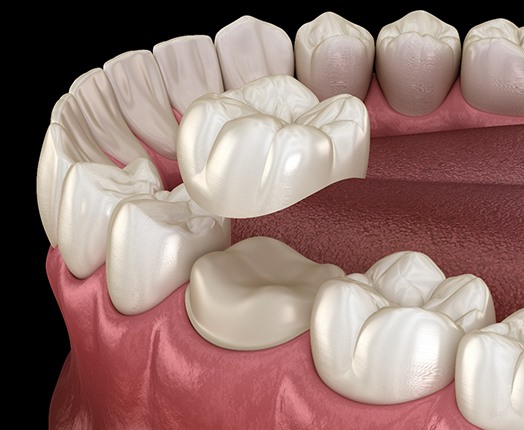
Here at our office, you can get a dental crown with only two visits. Our team uses the first session to prepare your tooth for its cap. Several weeks later, we place the actual restoration during the second visit.
Our team will do several things for the initial crown visit. To start out, we’ll numb your mouth with an anesthetic to ensure the “prep work” doesn’t cause aches. We’ll then remove any old fillings from the treatment site, later rebuilding your tooth’s missing structure if necessary. What comes next is the shaving of your enamel – a step that ensures your tooth has room for its crown. Once that’s done, we’ll take an impression of the prepped tooth that lets workers craft your restoration.
Two to three weeks later, you’ll attend the second session. We’ll place your dental crown at that time, all while ensuring it fits your tooth well. (This work should be quick; we’ll just confirm your restoration blends seamlessly with your grin.) Lastly, we’ll cement the crown, polish it, and let you enjoy your strengthened tooth!
The Benefits of Getting a Dental Crown

By getting a dental crown, you’ll enjoy the following treatment benefits:
- Versatile Help – Since dental crowns cover the visible surfaces of teeth, they can treat chips, cracks, cavities, and more!
- Improved Oral Health – Due to their durable materials, dental crowns both protect your teeth and withstand your bite. They can thus keep you from needing root canals or tooth extractions.
- Lifelike Looks – Tooth-colored dental crowns match surrounding teeth, blending in seamlessly with the rest of your smile. You can trust them to look incredibly lifelike.
- Enduring Results – On average, a dental crown can last about 5-15 years. Well-maintained ones can even work for 30 years or more!
Dental Crowns FAQs
Do Dental Crowns Get Cavities?
Dental crowns can’t actually get cavities, as they’re artificial and lack enamel. That said, the teeth beneath them still can.
While a crowned tooth has real protection, it faces the same risk of decay as an uncrowned one. That means poor oral hygiene could let plaque and bacteria form where the enamel and crown meet. In that case, harmful microbes could get beneath your cap and further erode the underlying tooth.
Given these facts, you should continue to clean and maintain your crowned teeth. Great ways to do so include twice daily brushing, once daily flossing, and regular dental checkups.
Does It Hurt to Get a Dental Crown?
Thankfully, the process of getting a dental crown in Temple doesn’t hurt. You can expect it to go smoothly and painlessly, even while the dentist works closely on your tooth.
Your dentist will numb the crown site before the treatment’s preparation phase. In doing so, they’ll ensure your tooth doesn’t ache or smart as the dental team alters it for your cap. You’ll only sense a slight pressure as the reshaping process takes place. (Anesthetic isn’t usually applied during the placement phase, but it can be requested beforehand.)
Your tooth will likely feel a bit sore after the preparation (and placement) work. However, this discomfort is short-lived and fades quickly; it’ll only last a few days at most.
Is It a Dental Emergency If a Dental Crown Falls Off?
It isn’t a dental emergency to lose a dental crown, but you should still address the issue. Please call your dentist and schedule an appointment to get a replacement within a few days. (The only exception to this rule is if the underlying tooth has sharp edges; you’d then need care immediately.)
While the crownless tooth may not hurt, it’s highly vulnerable to decay, breakage, and other damage. The only way to reduce these risks is to have the crown reseated or replaced fairly quickly. Once that’s done, your tooth will be safe again.
What Happens If You Wait Too Long to Get a Dental Crown?
Dentists only suggest a dental crown when you need one, so delaying treatment isn’t wise. Waiting too long to get it will put your tooth – along with the rest of your smile – at risk.
Remember, a dental crown protects a weak tooth from chewing forces, food debris, and bacteria. Failing to get one quickly will leave your pearly white exposed to many harmful factors. Should that happen, your tooth’s decay (or damage) may worsen until you need a root canal or an extraction.
With all that said, please get a dental crown soon after your dentist recommends one. Doing so will preserve as much of your natural tooth as possible.